back to journal
Bees, honey and biodiversity

Bees, allies of the almond orchard

Among the almond trees, asphodels and flowering Mediterranean scrub, bees are part of the Agrosarda project. Their presence is growing as new hives are gradually added.

October 2026 · 4-minute read

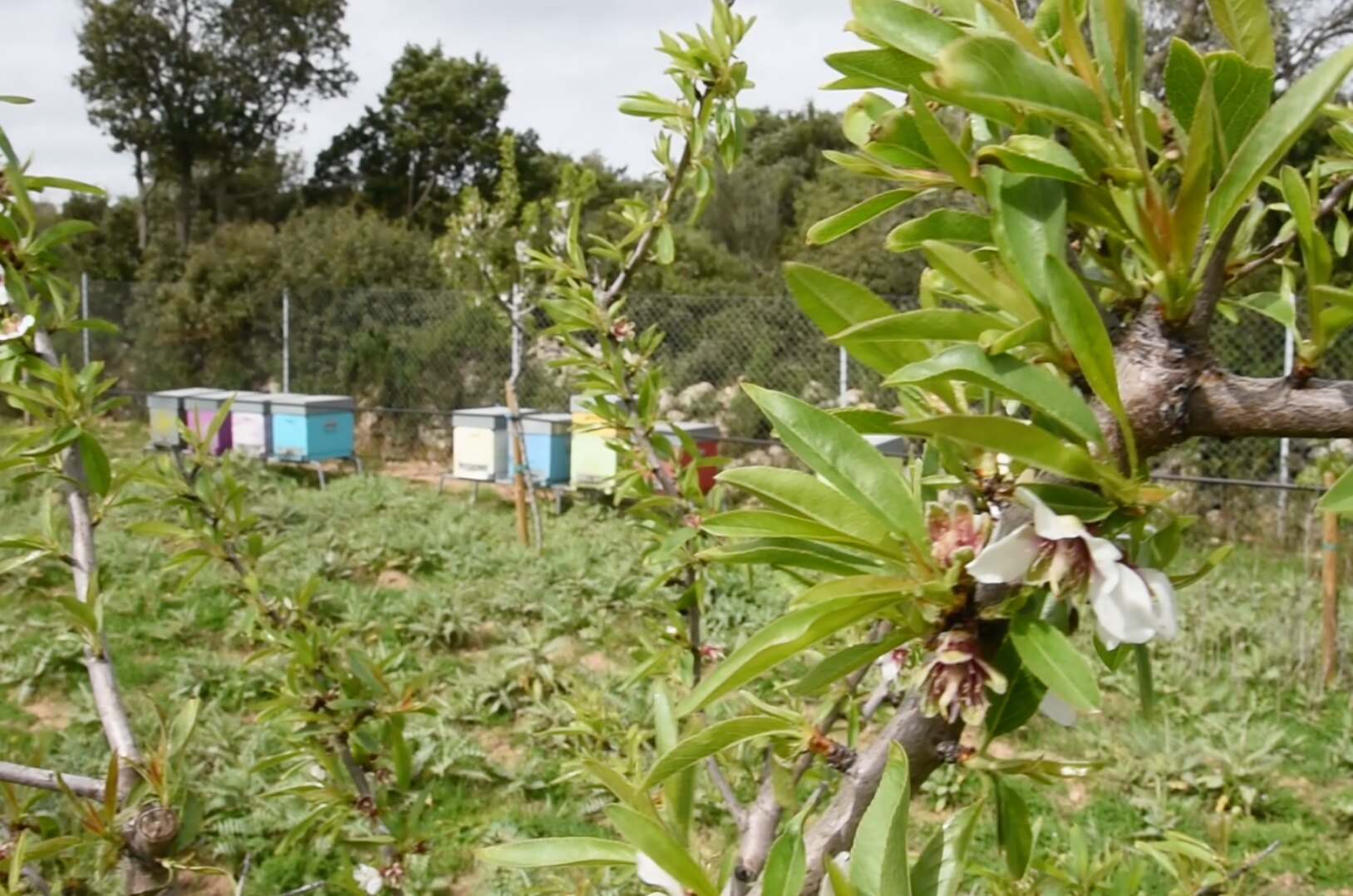
Le arnie colorate di Agrosarda tra la vegetazione della Gallura

in the first article of our Journal we explored how the land is prepared for a new almond orchard. This time, we turn to another kind of work: the quiet, valuable work of bees.

Because growing an agricultural project also means nurturing the relationships between plants, animals and the environment they share.

From blossoms to almonds

When almond trees blossom, bees visit the flowers to collect nectar and pollen. As they move from flower to flower, they carry pollen with them, contributing to pollination: a process that supports fertilisation and the subsequent development of fruit.

It is a mutual exchange: flowers provide resources for bees, while bees help the plants complete their reproductive cycle.
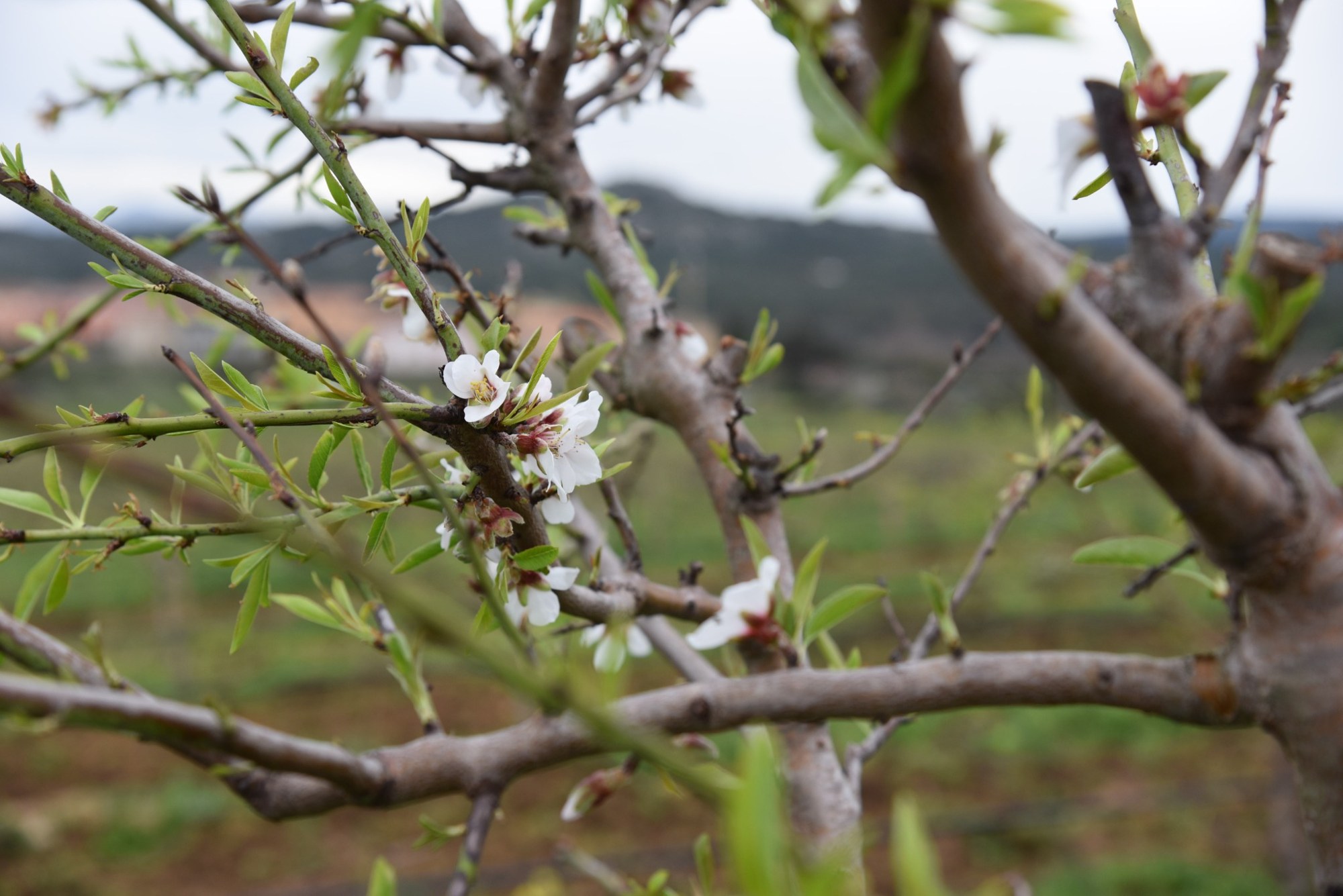
Fiori di mandorlo tra i rami
Almond blossom: a moment in the cycle of the seasons.
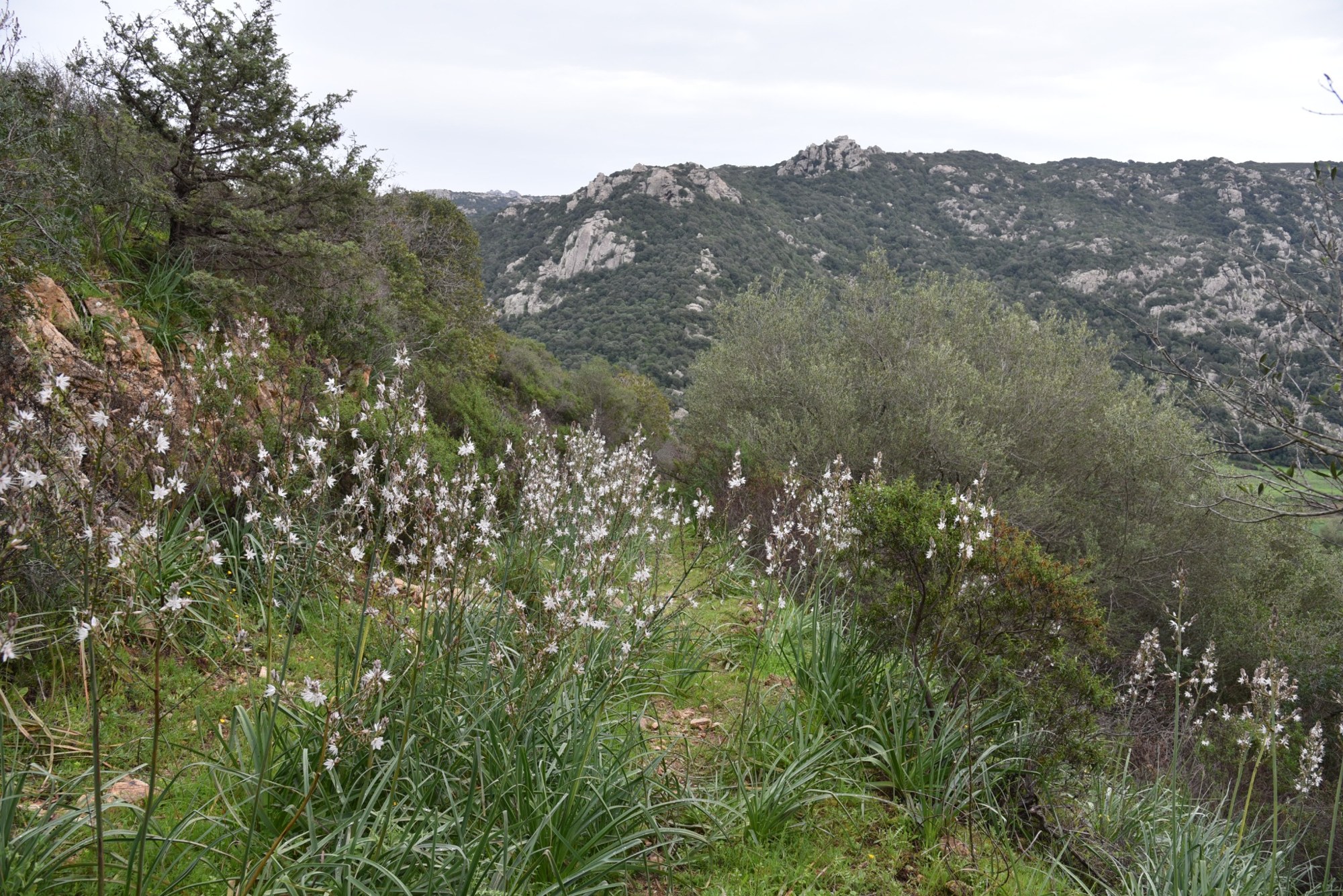
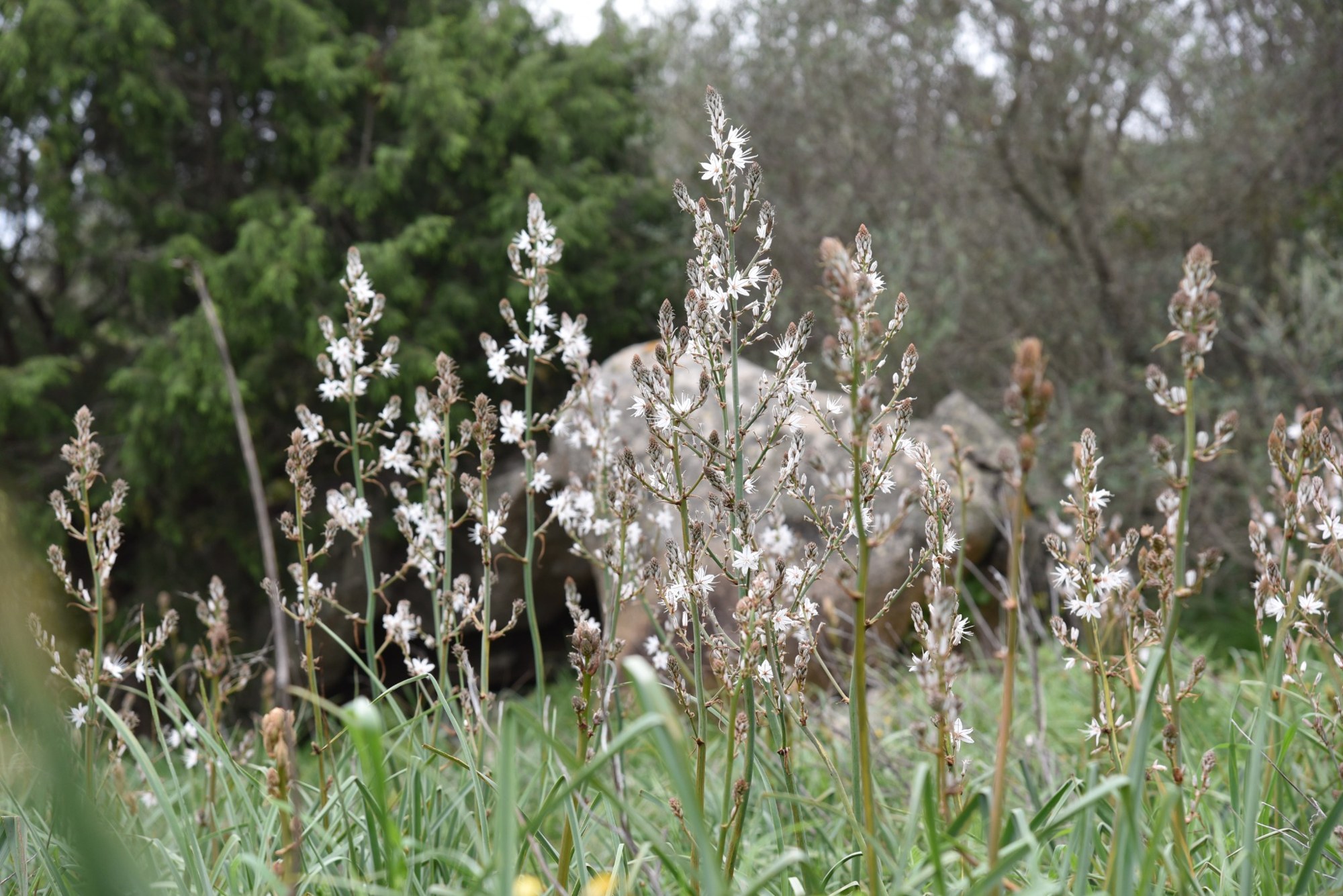
Asfodeli in fiore tra la vegetazione della tenuta
Asphodels among the local blooms.

The project is growing

New hives,
the same care

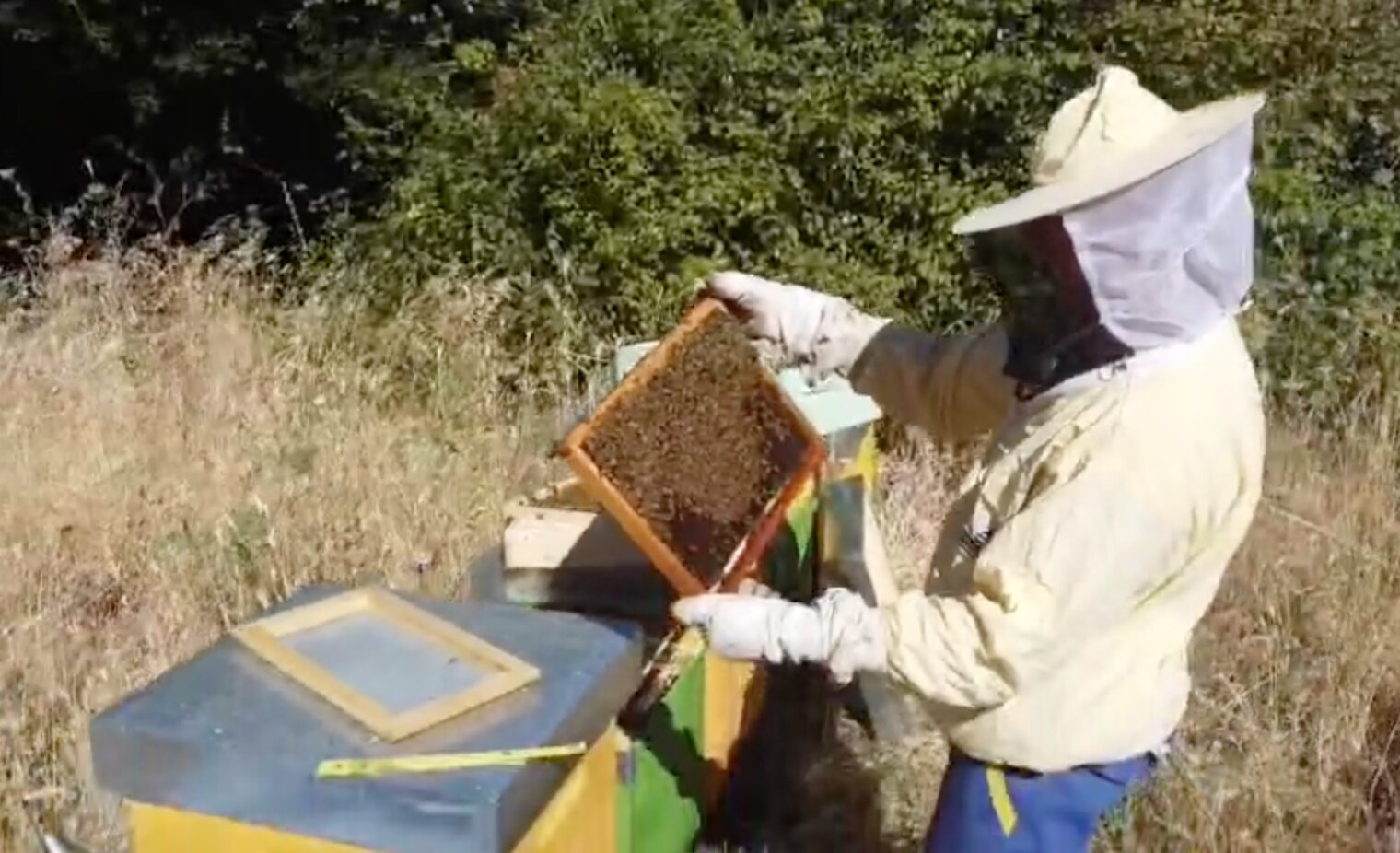
New hives are gradually being added to the original 20, as our beekeeping project grows.

It is another step forward in the project we are developing in Bassacutena, where farming and beekeeping go hand in hand with caring for the land.

L’apicoltore osserva un telaino accanto alle arnie
Caring for bee colonies takes observation and ongoing attention.

Keeping hives requires consistent care: monitoring bee colonies, observing flowering patterns and responding to seasonal changes are all part of our daily work.

Among almond trees, asphodels and Mediterranean scrub

The landscape around the almond orchard offers different blooms throughout the year. The hives are moved within the Agrosarda estate to follow this succession of flowers, among almond trees, asphodels and Mediterranean scrub.

Almond blossom is therefore one stage in a broader seasonal cycle. Around the cultivated fields, wild vegetation helps provide additional resources for bees, depending on the timing and conditions of each season.

Observing these rhythms helps us understand the land we farm: what blooms, when it blooms and how the landscape changes.

Asfodeli e macchia mediterranea nel paesaggio roccioso della Gallura
Wild blooms in the Gallura landscape.
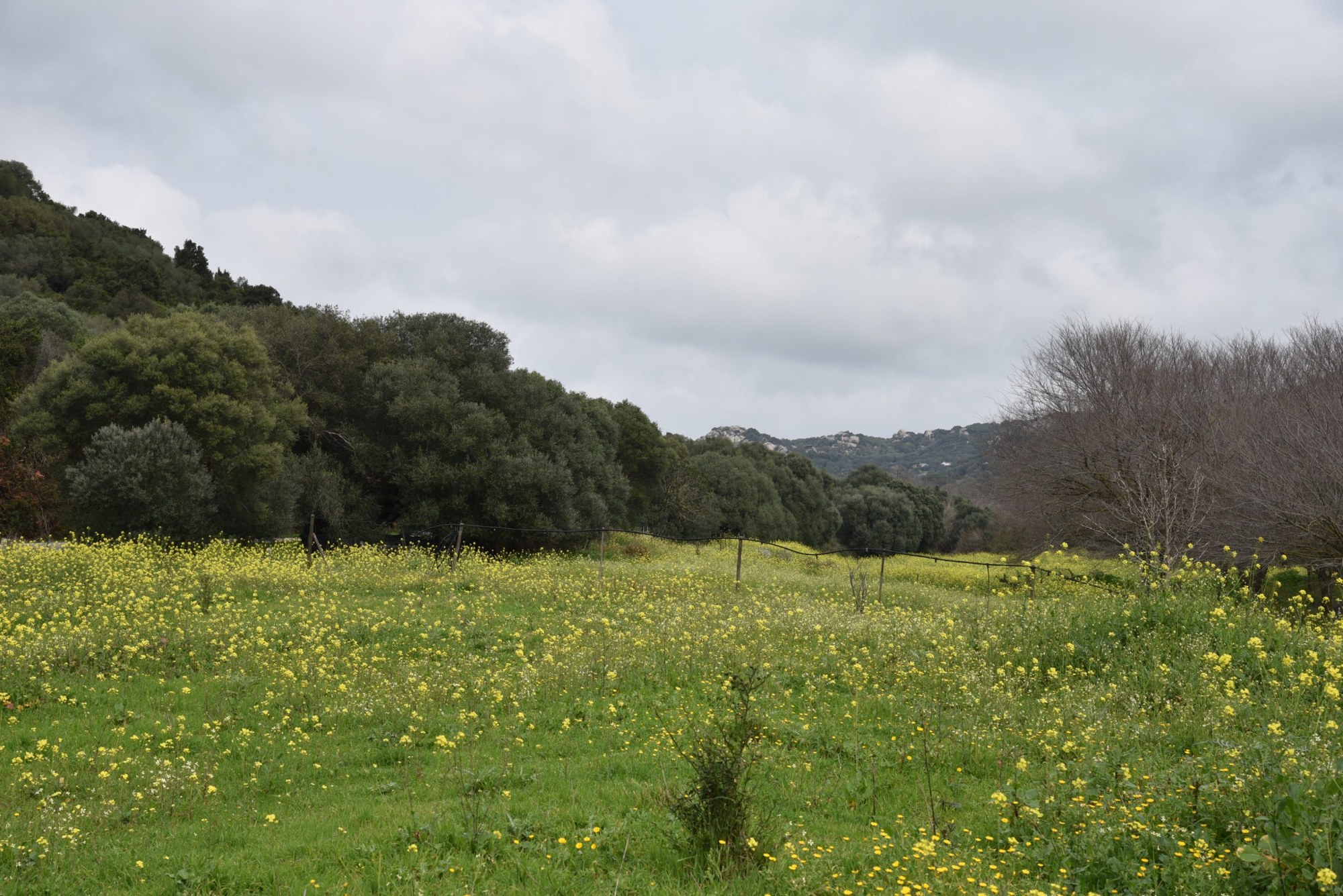
Un prato fiorito circondato dalla vegetazione nei terreni Agrosarda
Around the fields, the landscape changes with the seasons.

Our first honey, a taste of the land

Our first 20 hives have already yielded a small batch of honey, which we shared at a private event.

This first result opens up new possibilities and adds another dimension to our agricultural project. Alongside almonds, honey could become another way to tell the story of Agrosarda and the flowers that grow on its land.

We are taking our first steps, seeking to understand and make the most of what each season has to offer.

A relationship to nurture

Bees help us see the almond orchard as part of a wider environment, where every activity is connected to what happens around it.

Nurturing this relationship means supporting the growth of our trees and caring for the resources that sustain pollinators.

The land produces more
than we harvest.

Between blossom and hive, the value we seek to cultivate takes shape.

Follow our Almond Orchard Journal as we continue to share stories of bees, seasonal blooms and the next steps for Agrosarda.

back to journal